EN
EN
Why ips display is favored for high end automotive display systems
2026/07/10
2026/07/26
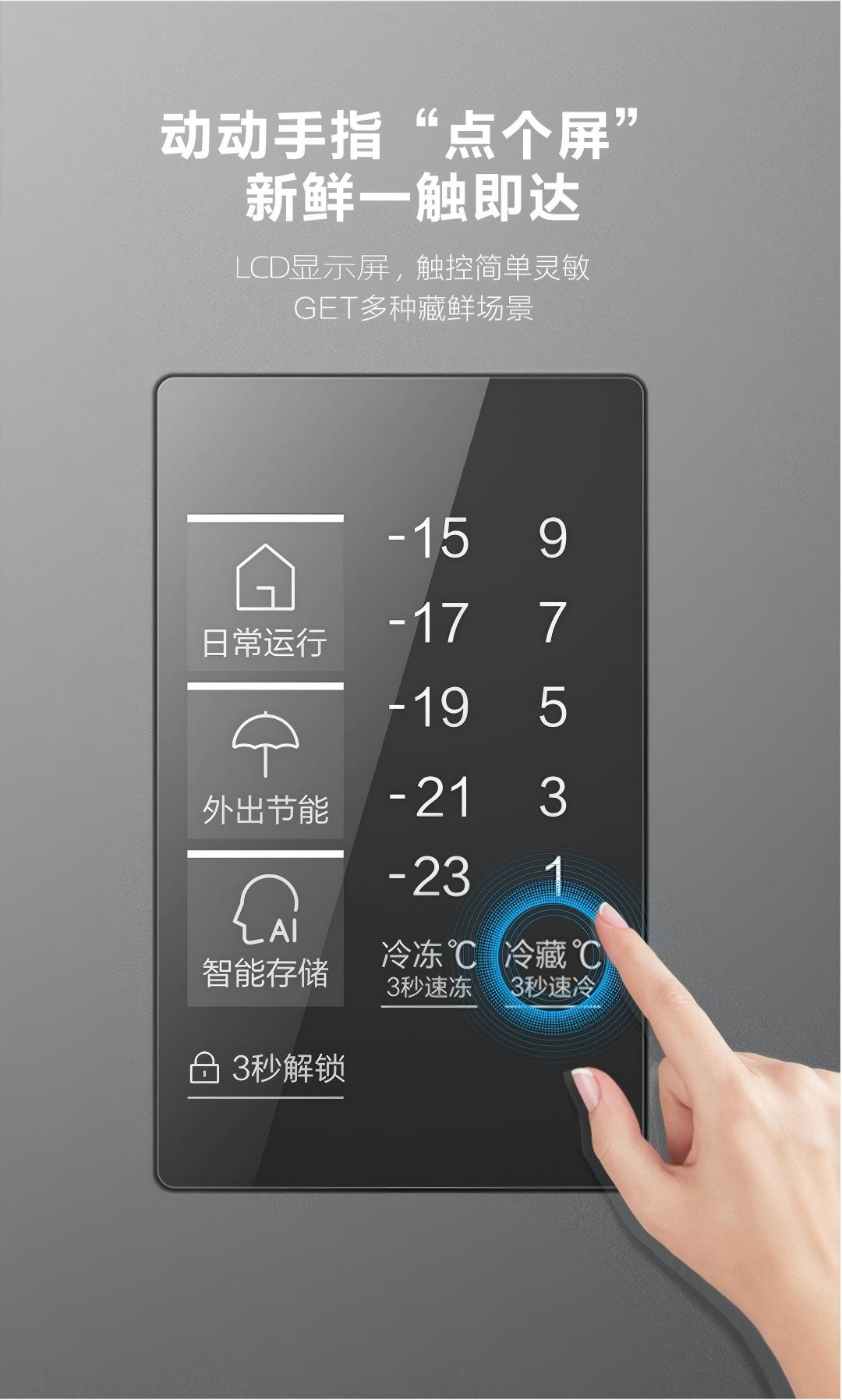
The Growing Demand for Custom Smart Home Display Solutions
The smart home market has expanded rapidly, driving demand for customized smart home display solutions across thermostats, security panels, smart speakers, kitchen appliances, and door entry systems. Each smart home application requires a unique display size, resolution, interface, brightness level, and touch functionality. Rather than sourcing each component separately and assembling them in-house, many product companies now seek a smart home display factory that offers one-stop customization service, covering industrial design, engineering, tooling, production, testing, and logistics. In our experience working with smart home device manufacturers, companies that partner with a one-stop smart home display factory reduce development time by 30 to 40 percent and lower total project costs by 15 to 20 percent compared to managing multiple vendors.
What One-Stop Smart Home Display Customization Includes
A comprehensive one-stop smart home display customization service typically covers seven stages. First, requirement analysis: the factory's engineering team reviews the customer's product specifications, including smart home display size, viewing angle, operating temperature, interface type (MIPI, RGB, SPI, LVDS, or EDP), and touch technology. Second, industrial design support: the factory provides mechanical drawings, bezel design recommendations, and optical bonding options. Third, prototype development: the factory produces 3 to 5 smart home display prototypes within 2 to 3 weeks for customer evaluation. Fourth, tooling and pilot production: custom backlight molds and FPC designs are created. Fifth, mass production: automated COG, FOG, and backlight assembly lines produce the smart home display at scale. Sixth, quality assurance: each smart home display undergoes functional testing, reliability testing, and final inspection. Seventh, packaging and logistics: the factory handles custom packaging, labeling, and global shipping for the smart home display order.
Design Flexibility for Smart Home Display Applications
Smart home display customization requires significant design flexibility. A thermostat may need a 3.0-inch round or square smart home display with wide viewing angles and low power consumption. A smart refrigerator may require a 10.1-inch smart home display with high brightness for kitchen lighting conditions and capacitive touch for wet-finger operation. A smart door lock might need a 2.8-inch smart home display with sunlight readability and wide-temperature operation from minus 30 to 80 degrees Celsius. A capable one-stop factory maintains design libraries, modular backlight designs, and flexible bonding processes to accommodate these diverse smart home display requirements without excessive tooling costs. For example, a factory with 10,000-plus project design experience can often adapt an existing smart home display platform rather than starting from scratch, saving both time and money.
Quality Control Throughout the Smart Home Display Production Process
Quality control is where a one-stop smart home display factory adds significant value. Throughout the customization process, the factory should maintain documented quality control plans at each production stage. Incoming inspection verifies that LCD glass substrates, driver ICs, backlight components, and touch panels meet specifications before they enter smart home display production. In-process inspection monitors bonding quality, backlight uniformity, and touch sensitivity on the production line. Final inspection includes 100 percent functional testing of every smart home display, checking display performance, touch response, and visual defects. Reliability testing validates that the smart home display can withstand thermal cycling, humidity, and mechanical stress expected in real-world smart home environments. Factories certified to ISO 9001 and IATF 16949 provide the highest level of quality assurance for smart home display products, as these standards require systematic process control and continuous improvement.
How to Evaluate a One-Stop Smart Home Display Factory
When evaluating a smart home display factory for one-stop customization, consider these key criteria. First, assess the factory's engineering capability: does it have an in-house R&D team that can design custom backlights, FPCs, and touch solutions for smart home display applications? Second, evaluate production capacity: can the factory handle your expected smart home display volumes, from pilot runs to mass production? A factory with 11 automated production lines and 2.8 million monthly capacity, such as Hunan Weitai Technology, can typically accommodate both small customization projects and large-volume smart home display orders. Third, review certifications: IATF 16949, ISO 9001, and ISO 14001 demonstrate quality and environmental management discipline. Fourth, request references from other smart home display customers. Fifth, evaluate communication responsiveness and project management capability, as one-stop customization requires close collaboration between the buyer and the factory throughout the smart home display development cycle.
Practical Case Study: Smart Refrigerator Display Project
A smart appliance brand in South Korea needed a 10.1-inch smart home display for a new refrigerator line. The display required IPS technology for wide viewing angles, 500-nit brightness for kitchen lighting conditions, capacitive touch for wet-finger operation, and a custom FPC to fit the refrigerator door assembly. The brand selected a one-stop factory with 10 years of manufacturing experience and full-auto production lines. The factory completed requirement analysis within 3 days, delivered prototypes in 18 days, and ramped to 30,000 smart home display units per month within 45 days of prototype approval. The one-stop service included custom backlight design, optical bonding, FPC design, reliability testing, and customized packaging. By working with a single smart home display factory, the brand reduced its development timeline by 35 percent and achieved a defect rate below 0.5 percent in mass production, demonstrating the efficiency and quality advantages of one-stop customization.
Frequently Asked Questions
Q: How long does one-stop smart home display customization typically take?
A: The full customization process for a smart home display usually takes 4 to 6 weeks for prototypes and 8 to 12 weeks for mass production ramp-up. Exact timelines depend on the complexity of the smart home display design and whether existing platforms can be adapted.
Q: What information should I provide to a smart home display factory for customization?
A: Provide the required smart home display size, resolution, interface type, brightness, viewing angle, operating temperature range, touch technology, and target application. Also share expected annual volume, target price, and any specific certification requirements for the smart home display.
Q: Can a one-stop factory handle both small and large smart home display orders?
A: Yes, a well-equipped factory with flexible production lines can handle pilot orders of 500 smart home display units and scale to 500,000 units per month. Confirm the factory's minimum order quantity and maximum monthly capacity for your specific smart home display specification before committing.