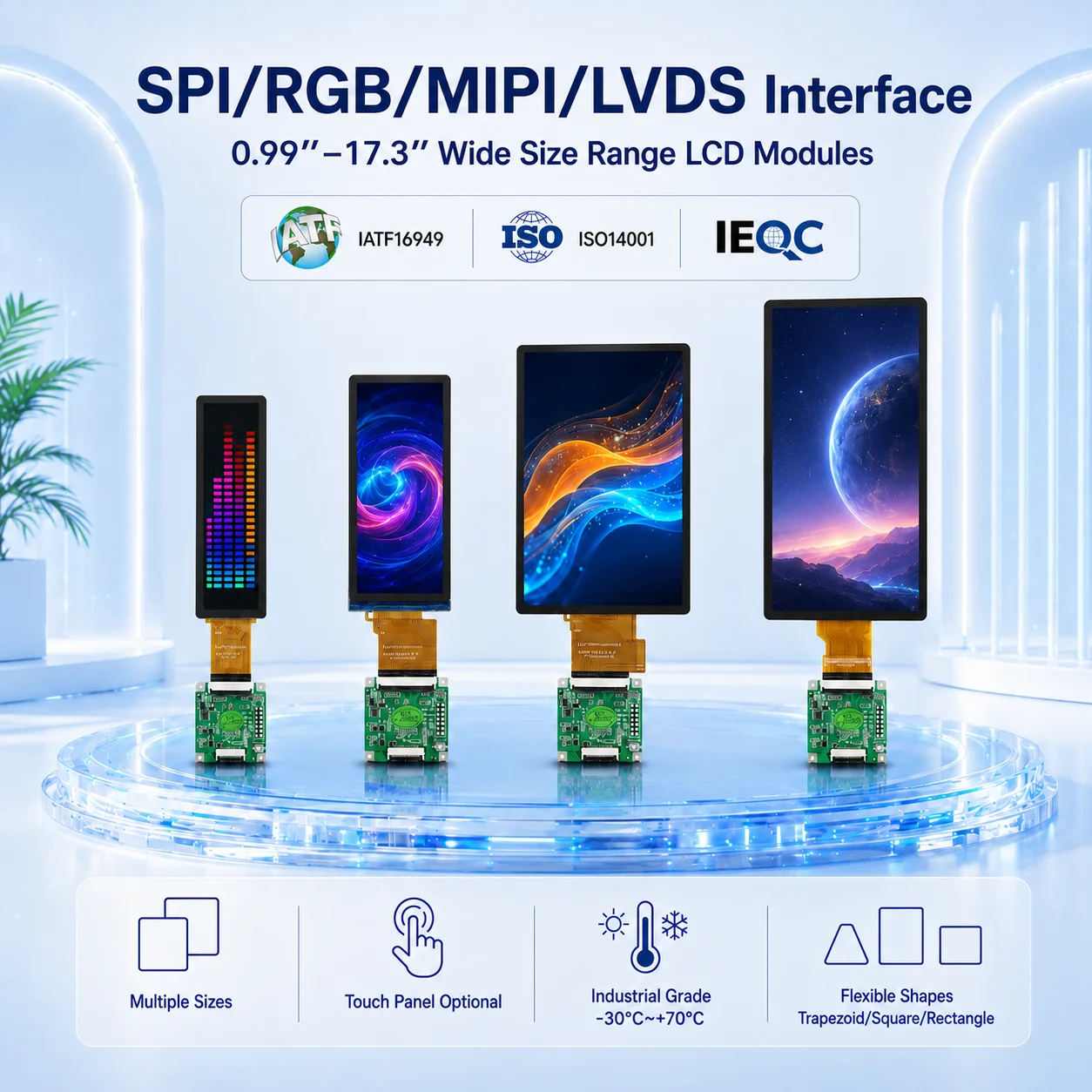
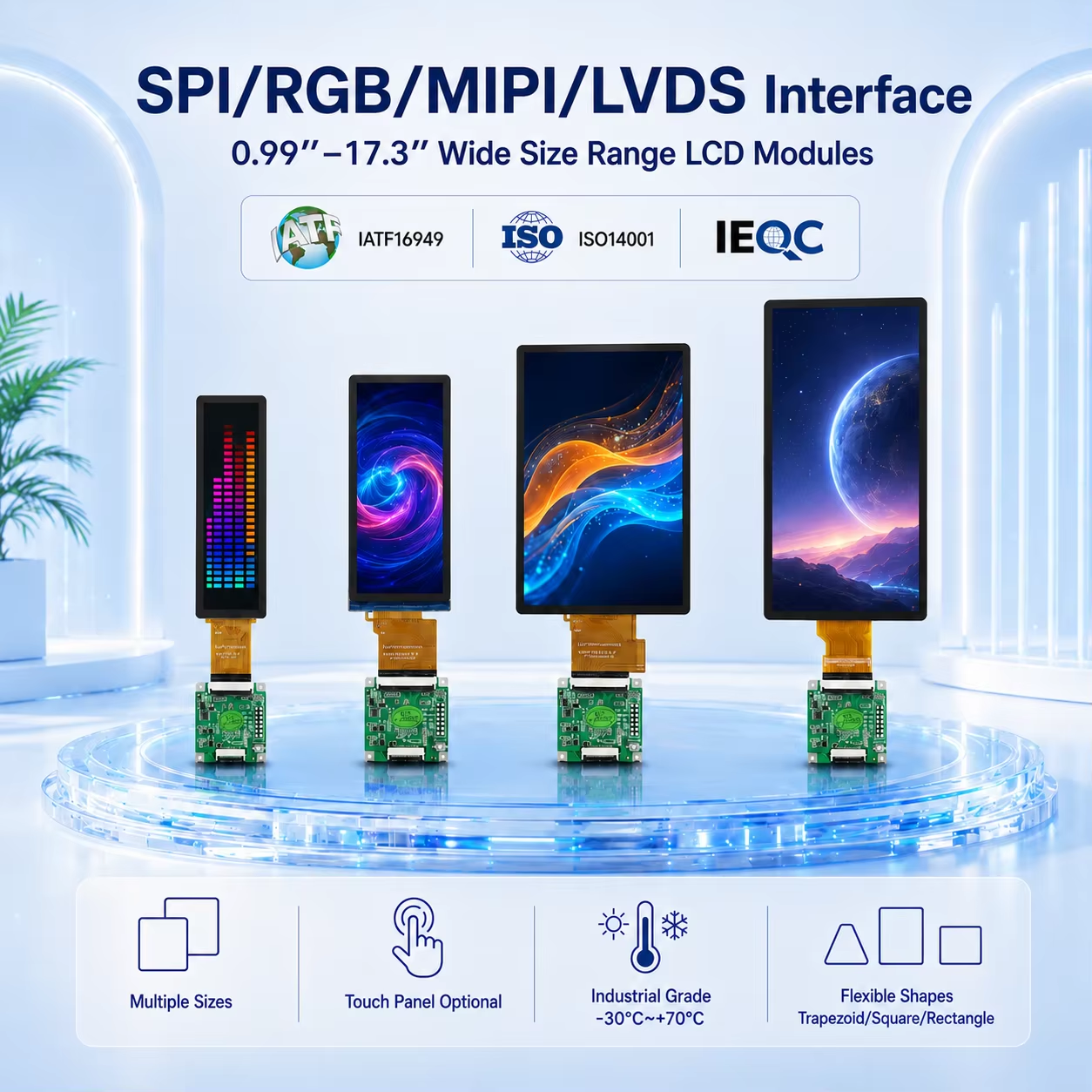
When looking for a dependable automotive tft lcd screen that can withstand harsh environments, engineering teams frequently face challenges with display fading or system lag under extreme conditions. WEITAI introduces a rugged, high-performance automotive tft lcd screen platform ranging from $0.99$ to $15.6$ inches, specifically engineered for car central control display installations. This specialized product family offers flexible connectivity including MIPI, LVDS, RGB, SPI, and eDP interfaces. Featuring true (automotive-grade) wide temperature resilience from −40°C to 85°C and sunlight-readable brightness peaking at 2500 cd/m2 , this versatile in-vehicle lcd display series ensures unwavering operation. By selecting a WEITAI high brightness lcd panel, B2B buyers get uncompromised visual clarity and long-term lifecycle stability for any demanding smart cockpit design.
Comprehensive Detailed Description
Developing a modern car central control display dashboard demands more than just standard commercial hardware. In-vehicle environments subject components to sudden thermal shifts, continuous vibrations, and intense sunlight glare. The WEITAI wide temperature automotive tft lcd screen matrix is built from the ground up to solve these specific roadblocks. By utilizing advanced thin-film transistor liquid crystal arrays combined with high-efficiency LED backlighting, this in-vehicle lcd display lineup maintains crystal-clear graphics even under direct midday sun exposure.
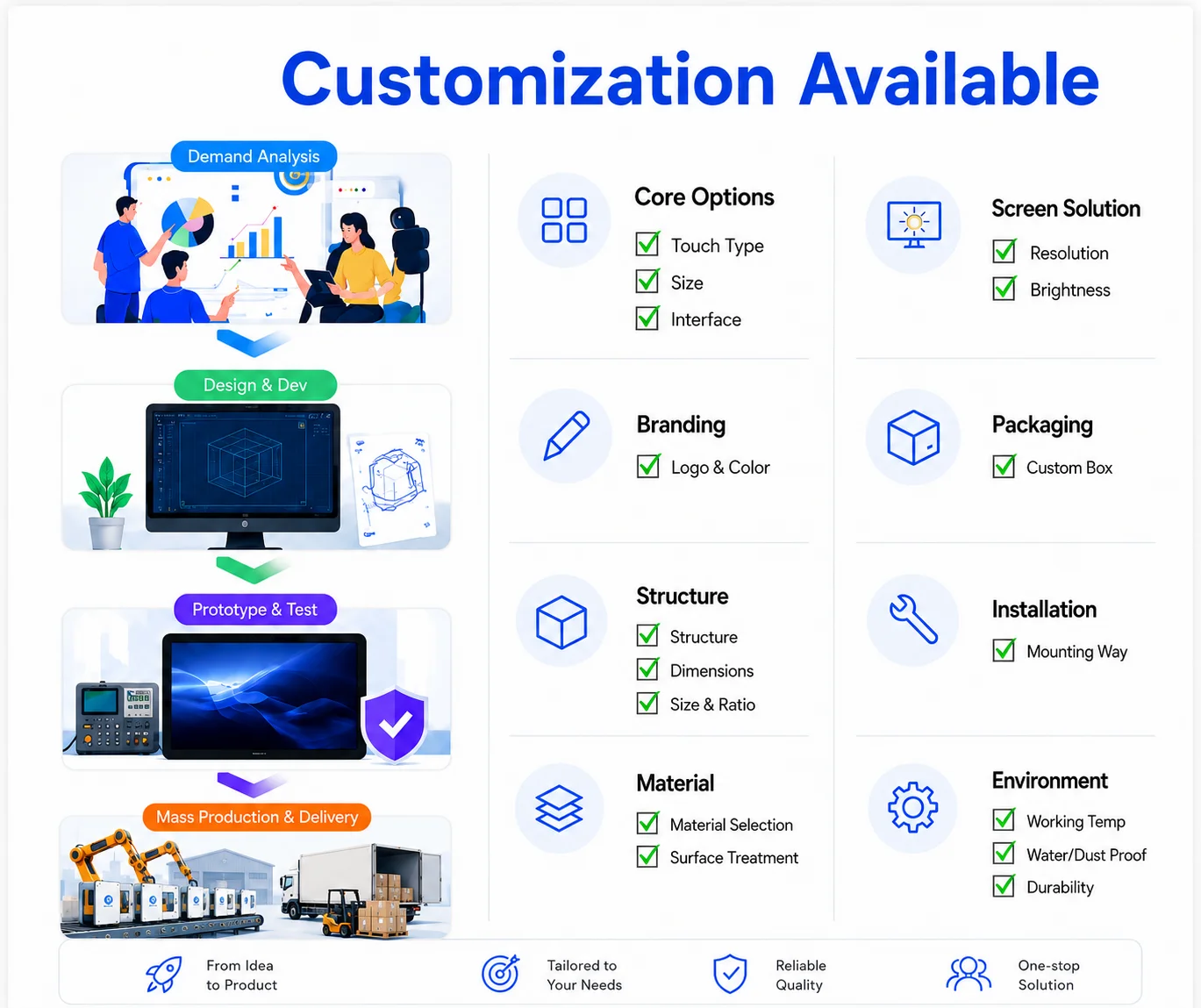
Engineering teams can choose from multiple space-saving signaling setups such as 4-Lane MIPI, high-speed LVDS, or eDP. This allows developers to connect the high brightness lcd panel directly to automotive-grade SoCs without requiring expensive interface conversion components, which reduces internal cabin space usage and cuts total bill of materials (BOM) expenses. For systems that need user input, WEITAI provides matching touch screen structures that use specialized optical bonding. This setup keeps the automotive tft lcd screen completely responsive, even if operators are wearing thick winter gloves or if the cabin has moisture buildup.
Key Product Features
The operational reliability of the WEITAI in-vehicle lcd display series comes from its carefully engineered features:
Versatile Interface Architecture: Built-in support for MIPI, LVDS, eDP, RGB, and SPI allows simple integration with dominant vehicle computing modules.
Continuous 24/7 Heavy-Duty Performance: High-end internal controllers prevent image burn-in and minimize power consumption during extended driving conditions.
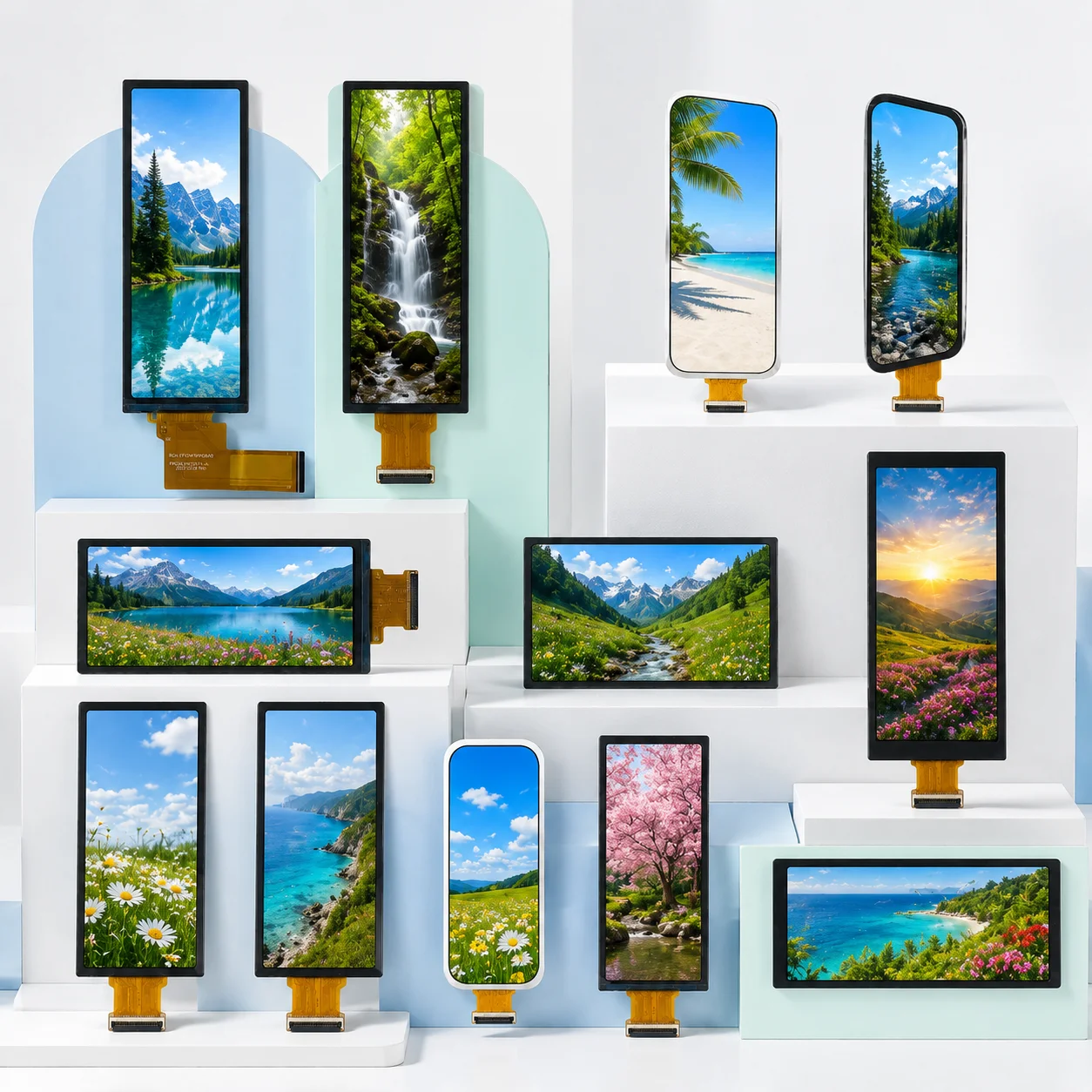
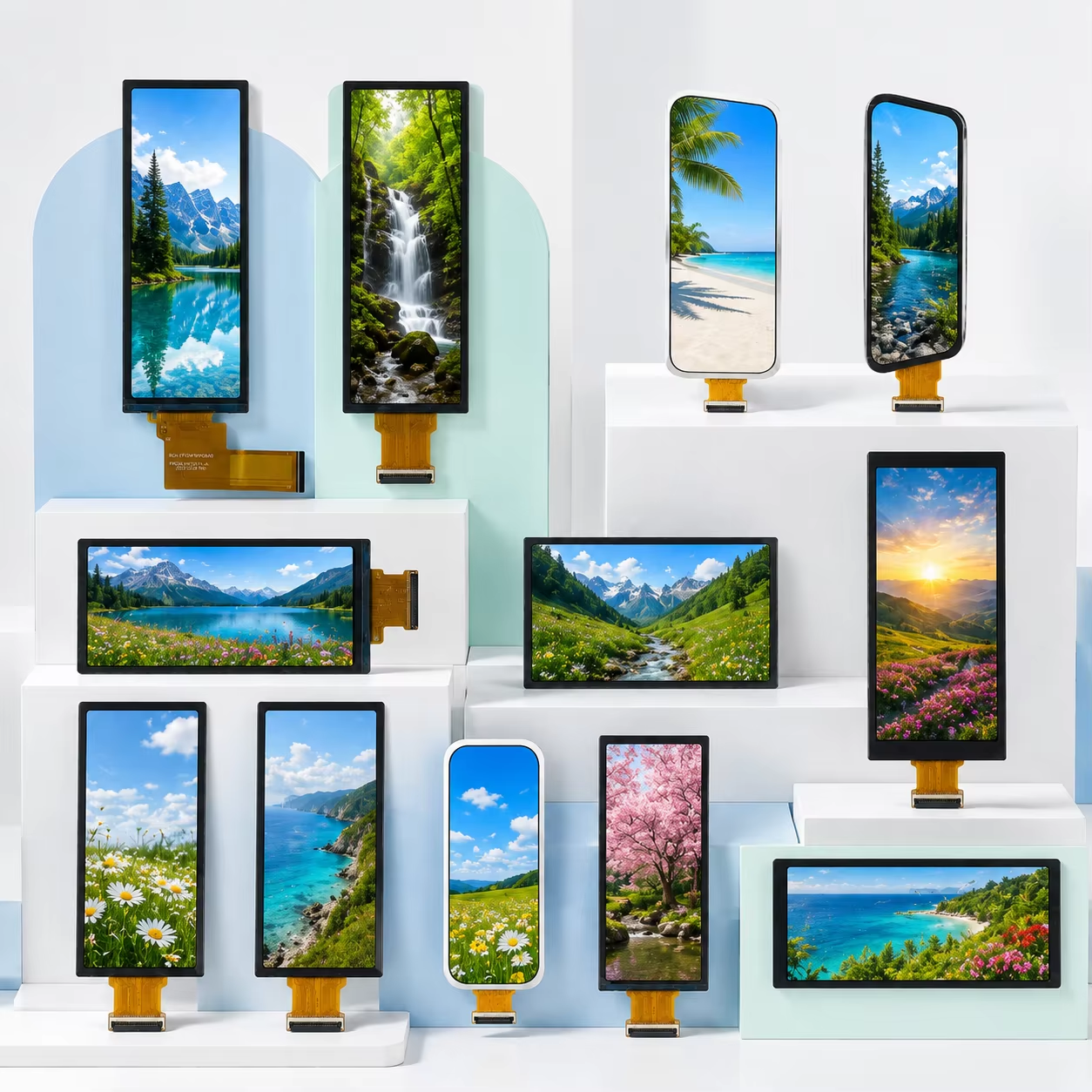
Flexible Scalability: Available in various standard and stretched bar form factors from $0.99''$ up to $15.6''$ to match distinct interior dashboard setups.
Engineering Advantages & Technical Analysis
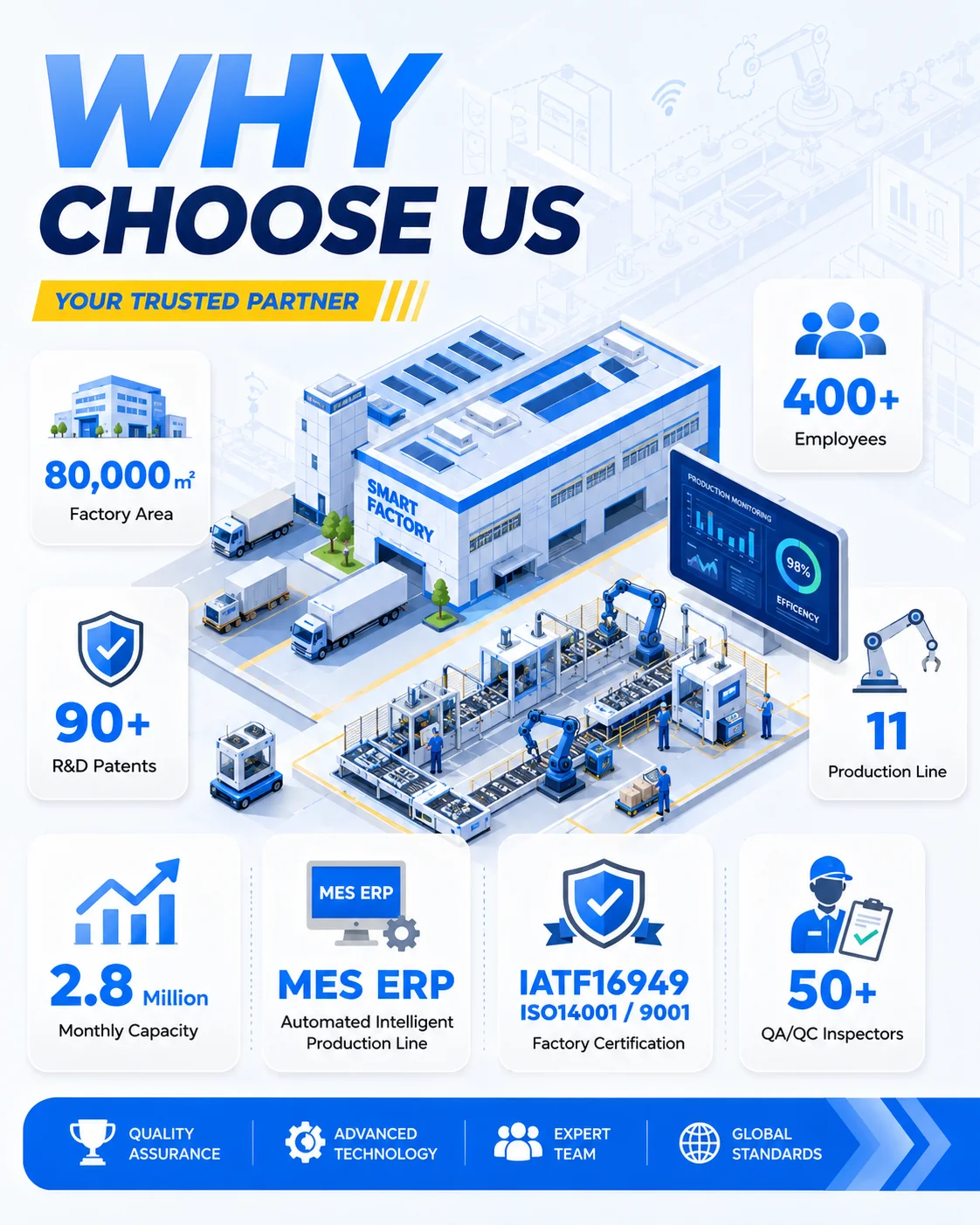
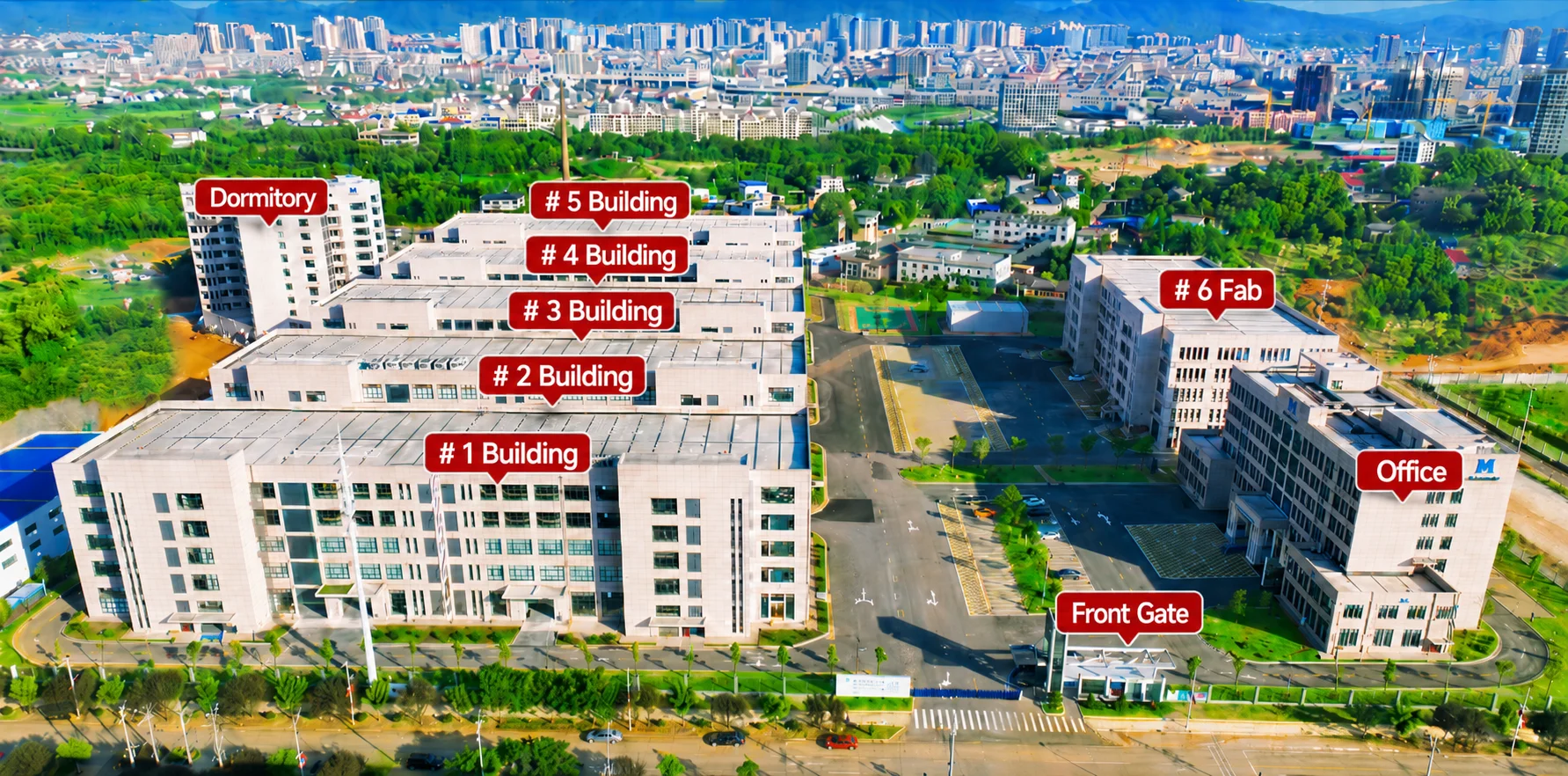
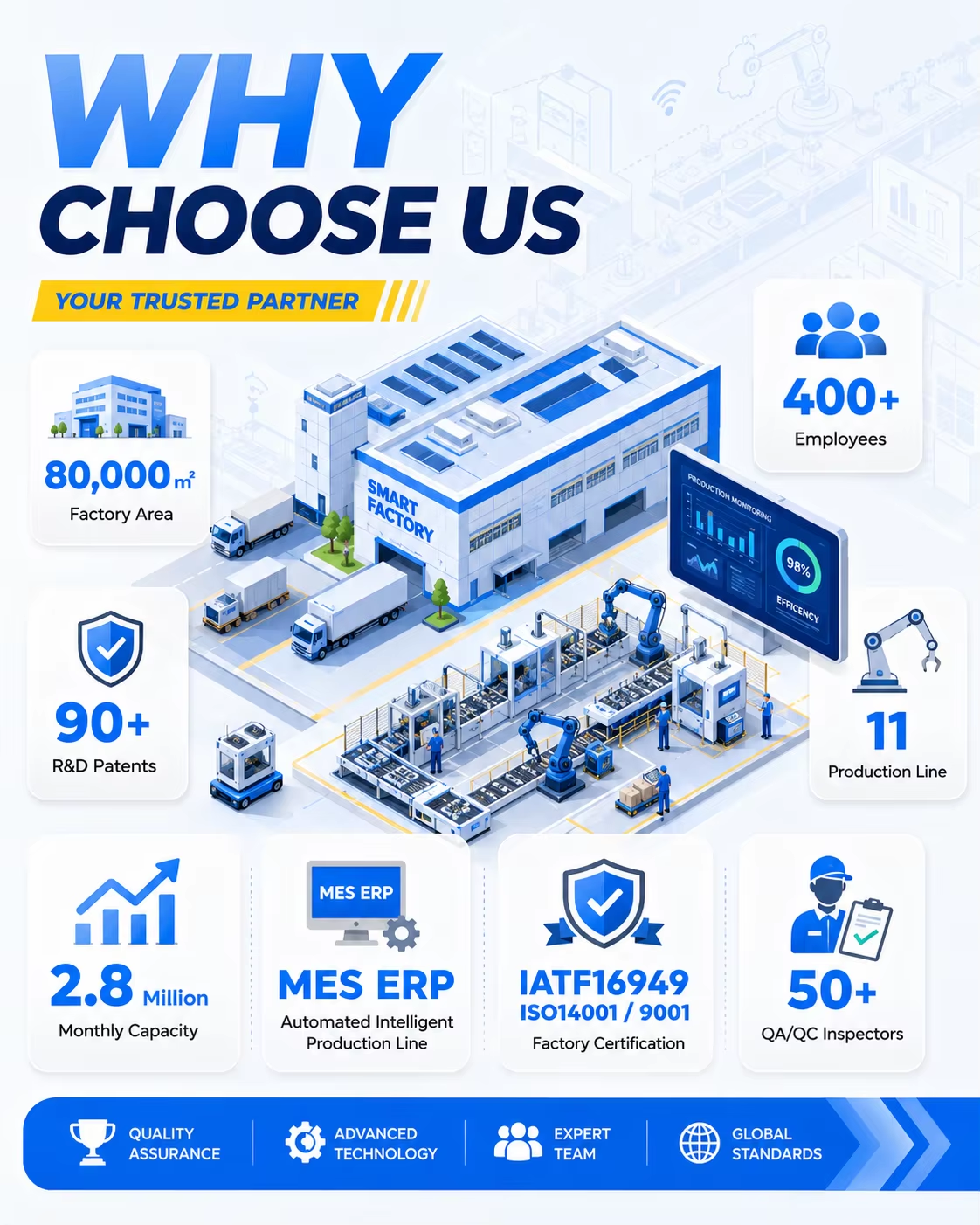
What sets the WEITAI high brightness lcd panel catalog apart from standard electronics is a strict focus on (automotive-grade) reliability. Holding certified IATF16949, ISO9001, and ISO14001 status, WEITAI manages fully automated production facilities using integrated ERP and MES software tracking. The internal production pipeline handles the entire product value chain—ranging from automated glass cutting and precise COG/FOG micro-bonding to independent backlight design and cleanroom optical lamination.
From a technical standpoint, this vertical integration lets WEITAI lower thermal resistance inside the backlight frame, reducing power usage by up to $20\%$ compared to common hardware. Choosing a WEITAI automotive tft lcd screen gives you a robust assembly that dampens electromagnetic interference (EMI), passes strict vibration tests, and maintains accurate color calibration over years of service.
Target Applications
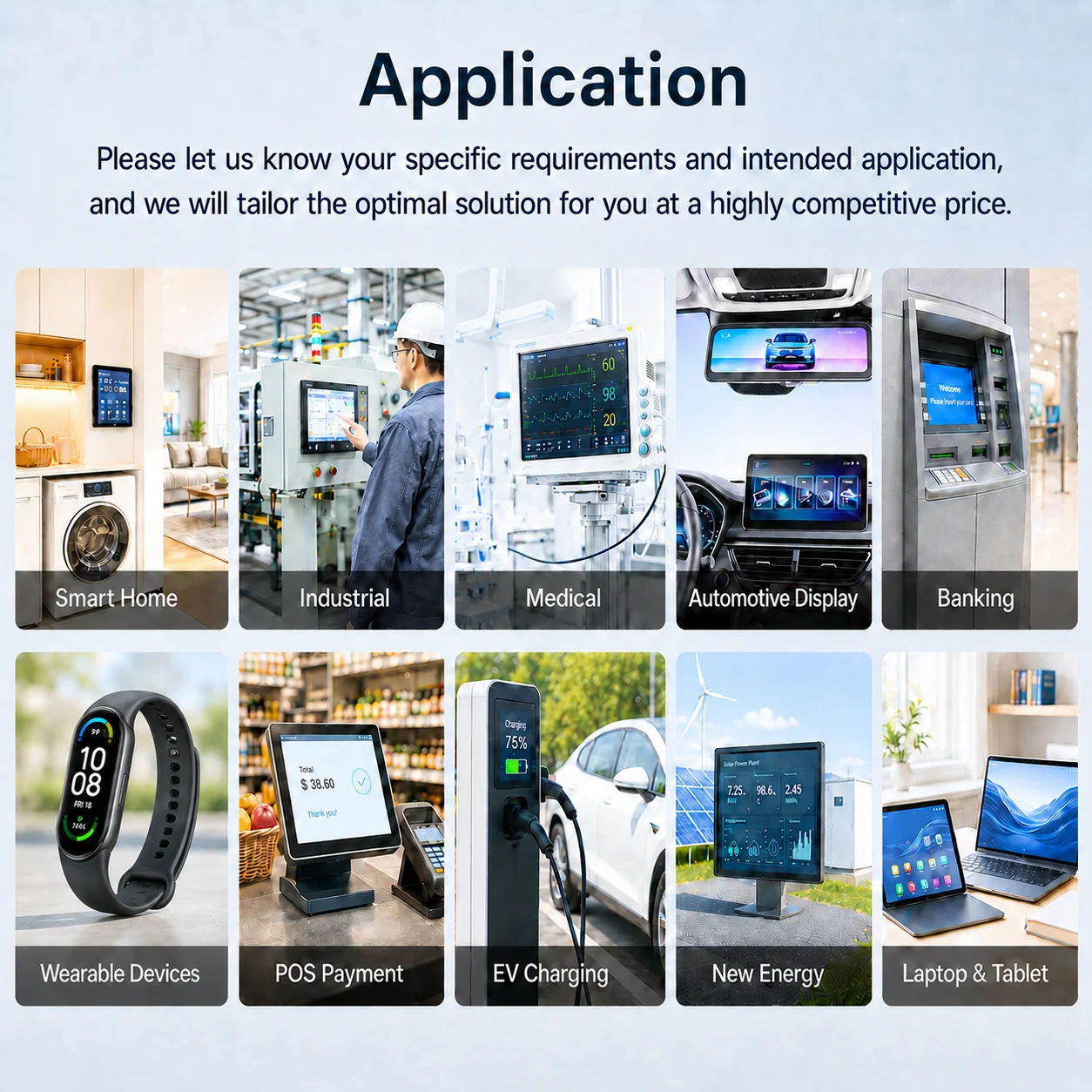
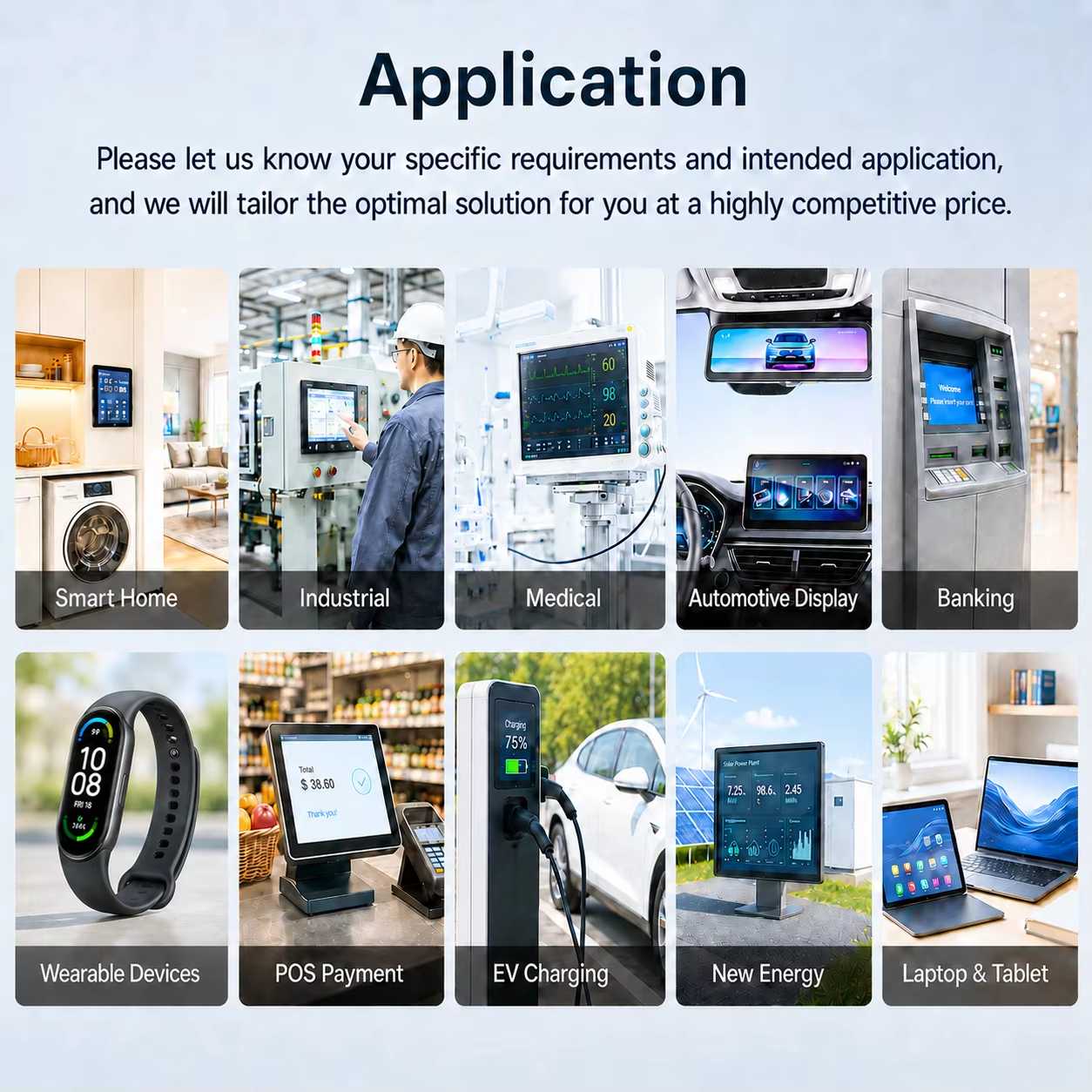
The durable engineering of this high brightness lcd panel portfolio makes it an excellent fit for multiple transportation fields:
Passenger Car Cockpits: Integrated as the primary car central control display hub, smart infotainment display, or premium digital rearview mirror.
Heavy Commercial Logistics: Installed in heavy trucks, construction machinery, and farming tractors where regular displays fail due to dust and vibration.
Public Mass Transit: Perfect for train driver consoles, bus scheduling monitors, and marine telemetry screens requiring wide viewing angles.
Outdoor Charging Stations: Used as interactive payment displays on outdoor EV charging hubs that face constant weather changes.
 EN
EN