EN
EN

Why ips display is favored for high end automotive display systems
2026/07/10
2026/08/11
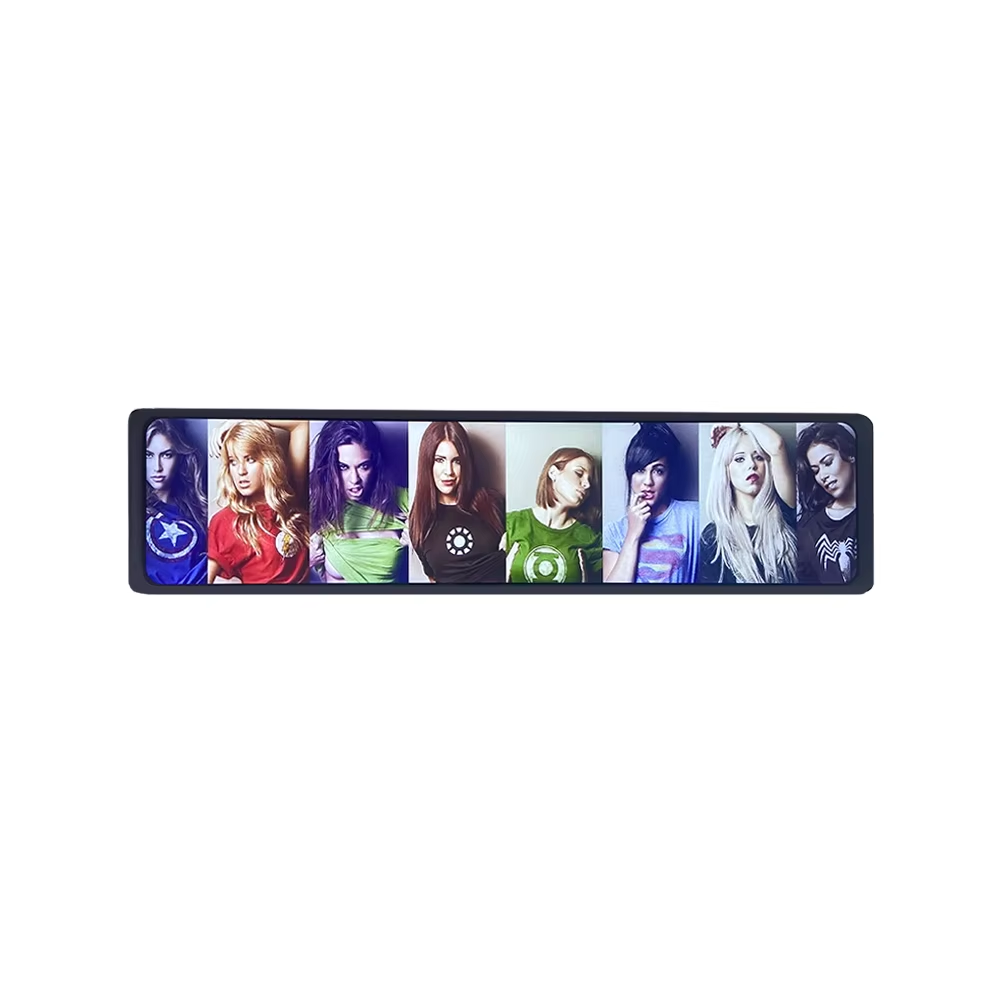
The modern smart home display has evolved rapidly from a luxury feature into an essential interface in connected living environments. As IoT ecosystems expand across global households, choosing the optimal smart home screen size has become a critical design decision for device manufacturers and system integrators alike. A home automation display that is too small compromises everyday usability, while an oversized panel needlessly increases manufacturing costs and power consumption without a proportional user benefit. Drawing from years of hands-on experience in LCD display module specification for residential applications, industry observations reveal clear size preferences emerging across different product categories and regional markets. Understanding these trends helps product development teams select the right touch panel display dimensions for their target use cases, balancing user experience, BOM costs, and aesthetic integration.
For wall-mounted panels and in-wall control units, compact form factors remain the most widely adopted size category. These compact smart home display modules fit standard electrical junction boxes, enabling seamless retrofit installation without modifying existing wall structures. A smaller smart home screen size typically features basic resolutions that provide adequate clarity for status indicators, climate controls, and simple menu navigation. Larger variants offer slightly more screen real estate for displaying multiple device statuses simultaneously. According to market research insights, a significant majority of installed control panels in European households use compact displays in this range, largely driven by the renovation market demand for non-invasive installation.
The mid-size home automation display category has emerged as the mainstream preference for tabletop smart hubs and bedside control stations. A 5-inch smart home display delivers crisp text rendering and supports video doorbell feeds with acceptable detail. Meanwhile, the 7-inch variant, arguably the most popular single size in the global market, balances visual clarity with manageable manufacturing costs. Popular consumer-facing smart hubs have cemented this specific smart home screen size as the de facto industry standard. From work with OEM projects, this form factor consistently achieves the highest user satisfaction scores in usability testing because it provides sufficient screen area for video calls, recipe displays, and multi-device dashboards without overwhelming the physical footprint.
| Size (Inch) | Common Resolution | Typical Application | Touch Type | Market Share |
| 3.5 | 320x480 | Wall switch panel | Capacitive (CTP) | 12% |
| 4.3 | 480x272 / 800x480 | In-wall control hub | Capacitive (CTP) | 18% |
| 5.0 | 720x1280 | Bedside smart hub | Capacitive (CTP) | 15% |
| 7.0 | 1024x600 / 1280x800 | Tabletop smart hub | Capacitive (CTP) | 35% |
| 8.0 | 1280x800 | Kitchen display panel | Capacitive (CTP) | 10% |
| 10.1 | 1920x1200 | Whole-home dashboard | Capacitive (CTP) | 10% |
For high-end home automation display installations, larger formats serve whole-home dashboard panels and kitchen-mounted command centers. An 8-inch smart home display provides enough visual area to display security camera feeds, energy monitoring charts, and family calendars simultaneously. Meanwhile, a 10.1-inch smart home display approaches tablet-level visual quality while maintaining dedicated smart home functionality. These larger options are particularly popular in North American new-build construction, where dedicated wall niches accommodate flush-mounted panels during the building phase. The trade-off for the larger smart home screen size is higher power consumption and increased backlight thickness, which can challenge sleek enclosure designs.
Dimensions alone do not determine visual quality. Pixel density, measured in pixels per inch (PPI), determines text sharpness and image clarity across any touch panel display. A standard 7-inch smart home display with basic resolution yields adequate sharpness for applications viewed at arm's length. However, for premium LCD display module products targeting high-end visual quality, designers should target higher pixel densities, which require advanced panel configurations. The cost differential between standard and high-PPI modules can be significant, making resolution selection a major factor in product bill-of-materials planning. As a practical guideline, maintaining a minimum acceptable density is vital for any home automation display intended for text-heavy interfaces.
The choice of touch technology interacts closely with the chosen smart home screen size. Capacitive touch panel display solutions have become standard across all size categories, offering multi-touch support and superior optical clarity compared to resistive alternatives. For compact smart home display modules, single-point capacitive touch may suffice to reduce module costs. For larger home automation display applications, projected capacitive touch with multi-touch support is highly recommended, as users naturally attempt gestures like pinch-to-zoom on camera feeds and map interfaces. Cover glass thickness must also be factored into the overall LCD display module thickness budget, particularly for flush-mount installations.
A European home automation brand recently transitioned its flagship wall-mounted unit from a 5-inch to a 7-inch smart home display form factor. The original smaller smart home screen size suffered from user complaints about insufficient screen area for viewing security camera feeds alongside climate controls. The redesign team selected a high-definition home automation display with advanced touch capabilities, significantly improving user satisfaction scores in post-launch surveys. The larger smart home display also enabled split-screen functionality, allowing simultaneous display of doorbell video and thermostat controls—a feature that quickly became the product's most praised attribute in customer reviews.
Market preferences for a smart home display vary significantly by geographic region. In Asian markets, compact 3.5 to 5-inch smart home display panels dominate due to smaller average home sizes and a preference for distributed control points. European markets show balanced adoption across mid-range sizes, with strong demand for in-wall retrofit installations. North American markets skew toward larger smart home screen size products, reflecting sprawling home footprints and consumer preference for centralized control hubs. Product managers targeting global markets should consider developing a comprehensive home automation display product family spanning multiple dimensions rather than relying on a single one-size-fits-all solution.
Weitai Technology offers advanced LCD display module and touch panel display solutions across the full 3.5 to 10.1-inch size range, featuring IPS and TFT panel options, integrated CTP touch, and custom backlight design services. The company's vertically integrated manufacturing capabilities—from precision glass cutting to COG/FOG bonding and optical bonding—enable smart home device manufacturers to source complete smart home display hardware with consistent quality and competitive pricing. Backed by IATF 16949 and ISO 9001 certifications, Weitai supports global OEM and ODM projects seeking reliable supply chain partnerships for next-generation home automation display innovations.