EN
EN

Why ips display is favored for high end automotive display systems
2026/07/10
2026/08/13
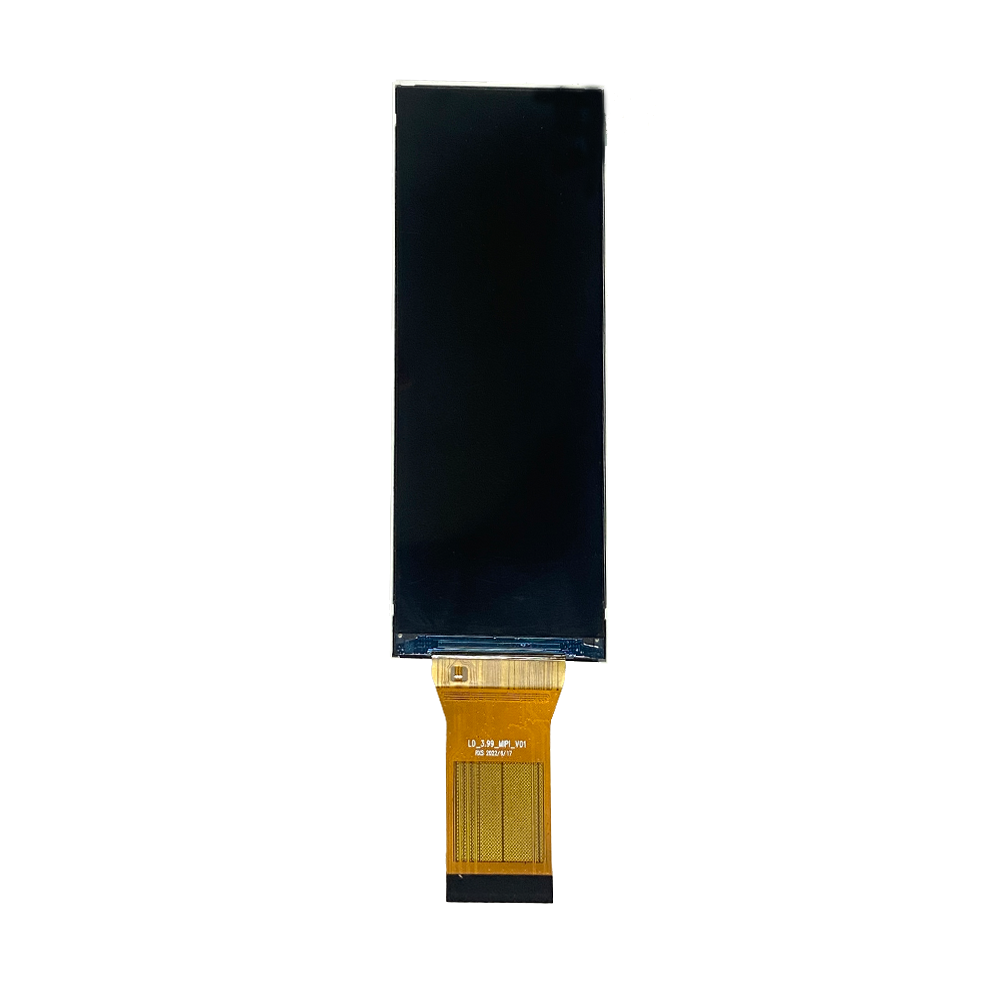
The ips display has undergone remarkable technical evolution since its introduction in the late 1990s. Originally developed to overcome the narrow viewing angles and poor color reproduction of TN panels, modern ips display technology now incorporates advances in liquid crystal alignment, backlight design, color filter manufacturing, and drive electronics. Industry engineers track how each technical upgrade incrementally improves the ips display experience, and which upgrades deliver the most impactful performance gains relative to their cost. This analysis helps product teams prioritize ips display enhancements that deliver maximum value for their specific application requirements.
Traditional ips display modules operate at 60Hz refresh rates, sufficient for static content but inadequate for smooth motion rendering. The upgrade to 120Hz refresh rate represents one of the most noticeable ips display performance improvements available today. Doubling the refresh rate reduces motion blur by approximately 50 percent, making scrolling text sharper and video playback noticeably smoother. For interactive applications—tablets, digital signage, and medical imaging—the high refresh ips display provides a tangible user experience improvement that justifies the cost premium over standard modules. The technical implementation requires faster LCD response times, higher bandwidth drive electronics, and backlights capable of maintaining brightness at faster scanning frequencies. Premium ips display options now achieve 144Hz and even 240Hz refresh rates for gaming and professional video applications.
Standard ips display modules reproduce approximately 72 percent of the NTSC color gamut using common white LED backlights. Wide color gamut options replace standard LEDs with quantum dot enhanced films or high-saturation phosphor LEDs, expanding color coverage significantly. This color gamut display upgrade is particularly impactful for applications requiring accurate color reproduction, such as medical imaging, professional photography review, and high-end product catalogs. Quantum dot film converts blue LED light into narrow-band red and green spectra, creating a richer white light source that enables the ips display color filters to produce more saturated primary colors. Benchmark testing shows a major improvement in color volume compared to standard gamut panels, a difference immediately noticeable to professional users.
| Upgrade Category | Standard IPS | Upgraded IPS | Performance Gain | Cost Premium | Best Application |
| Refresh Rate | 60Hz | 120Hz | 50% less motion blur | 15-25% | Interactive tablets, signage |
| Color Gamut | 72% NTSC | 100% NTSC | 35-45% more colors | 20-30% | Medical, professional display |
| Contrast Ratio | 700:1 | 1800:1 | Deeper blacks | 15-25% | Dark environment viewing |
| Brightness | 350 cd/m2 | 600 cd/m2 | Brighter visuals | 10-20% | Outdoor, HDR content |
Contrast ratio has historically been a weakness of ips display technology compared to VA panels. Standard ips display modules achieve moderate contrast ratios, while advanced ips panel upgrade variants use modified liquid crystal molecular alignment patterns that reduce light leakage through the black state. Additionally, local dimming backlight systems divide the backlight into independently controllable zones, dimming zones behind dark image content to enhance perceived contrast. While not as effective as OLED pixel-level dimming, local dimming ips display modules achieve exceptional effective contrast ratios in typical content viewing scenarios.
Color bit depth determines how smoothly an ips display renders gradients between colors. Standard ips display modules use 6-bit plus FRC dithering to approximate 8-bit color. True 8-bit ips display modules provide discrete levels per RGB channel without dithering artifacts, delivering visibly smoother gradients in sky tones, skin tones, and product photography. For professional color-critical applications, 10-bit ips display modules offer over a billion colors, essential for HDR content mastering and medical imaging where subtle tonal differences carry diagnostic significance. Upgrading to true 8-bit or higher eliminates faint banding artifacts visible in gradient test patterns on dithered displays.
A display upgrade project for a medical tablet manufacturer addressed doctors experiencing difficulty distinguishing subtle tissue color variations during telemedicine consultations. The original 10.1 inch ips display used basic color and brightness specifications. The upgrade path involved three simultaneous improvements: switching to a true 8-bit ips display panel with wide color gamut and increasing brightness levels. The combined upgrades increased module performance drastically, and post-upgrade clinical evaluation showed a significant improvement in diagnostic confidence scores among physicians using the device for dermatology and wound assessment consultations. The upgraded medical tablet became a key marketing differentiator, contributing to a substantial increase in hospital procurement orders.
Ips display brightness upgrades extend beyond simply increasing LED power. Modern high-brightness ips display modules achieve 500-700 cd/m2 through a combination of high-efficiency LEDs, optimized light guide plate designs, and advanced optical films. Equally important is brightness uniformity—the consistency of brightness across the entire display surface. Standard ips display modules specify high uniformity thresholds, while premium ips display options achieve even tighter tolerances through precision manufacturing and selective LED binning. Poor uniformity is immediately noticeable in solid-color backgrounds and undermines the perceived quality of the entire display.
Weitai Technology offers ips display modules with configurable performance upgrades, including high refresh IPS options, wide color gamut options, true 8-bit color depth, and advanced brightness levels. The company leverages in-house backlight design and optical bonding capabilities to enable customized ips display optimization for specific application requirements, ranging from medical imaging to industrial control panels. Backed by extensive industry patents and years of manufacturing expertise, Weitai supports global product teams in sourcing robust components, executing comprehensive ips panel upgrade projects, and ensuring reliable supply chain execution for target markets.